
A dyeing quote prices a specific route through a mill. In Keqiao, the 2026 Iran-linked oil shocks coincided with dyeing-fee increases averaging over 15% and greige-fabric increases over 30%, according to first-hand market reporting. Here is how to read those changes and compare offers.
What the quoted price actually covers
A dyeing quote is a price for a defined job, not a universal charge for adding color. One supplier may quote processing on greige fabric that you provide. Another may quote finished fabric with the greige included. Even when both call the number a dyeing fee, one may include preparation, dyeing, washing, heat setting, inspection and packing while the other excludes some of those steps. The first task is to establish what is in the price. Otherwise a lower figure can describe a smaller obligation.
For a useful comparison, hold the greige fabric, target shade, finished width and weight, quantity per color, test requirements and delivery basis constant. If the fabric construction or fiber changes, the dye class, pretreatment and production route can change too. The European Commission's textile reference document treats pretreatment, dyeing, printing and finishing as distinct operations; they are not interchangeable labels. [3] Request a short process route and a list of exclusions with every offer. Ask whether the quote is per meter or kilogram and, if you need to convert between them, use an agreed finished weight and usable yield.
Also define who pays for lab dips, extra sampling, independent tests, freight, taxes and reprocessing. Record the quote date and validity period. A highly precise unit price without these assumptions gives a false sense of comparability. The rest of this guide assumes the same greige fabric is being considered under different processing requirements. It explains why the dyeing charge for that fabric can change; it does not provide a current market price.
Why oil feeds through to polyester and dyeing costs
Crude oil feeds into polyester and part of the synthetic dye and auxiliary supply chain, as well as fuel and transport. Polyester is made from petroleum-derived feedstocks, and the US EPA records petroleum-based intermediates in synthetic textile dyes. [10] [11] For polyester-heavy Keqiao sourcing, a sharp oil shock raises costs upstream of both greige production and dyeing. The International Energy Agency documents the wider connection between petrochemicals and clothing. [1] The connection is real, but it does not mean that a 10% change in crude oil produces a 10% change in a dyehouse quotation. That would require a cost relationship that this guide, and most buyer quotations, do not establish.
The pass-through depends on the fiber and recipe, on which chemicals the mill actually purchases, on its contracts and inventories, and on local utility tariffs. A mill may have purchased inputs before an oil move. A competing mill with unused capacity may absorb some costs. Another supplier may reprice because of steam or labor even while oil is stable. The US EPA's textile process manual describes dyeing cost drivers across bath ratio, chemicals, water, energy, preparation and washing. [2] An oil chart therefore provides context, not a mill-specific price index.
When a supplier says the rate increased because raw materials became dearer, ask which input changed: dye, auxiliary, steam, electricity or freight? Ask when the new cost entered its purchases and whether it affects the same approved recipe. You do not need confidential invoices. You need enough specificity to distinguish a change in production cost from a change in commercial terms. Keep the old and new quotations together so that a shift in volume, shade or finish is not mistakenly attributed to oil.
Keqiao field case: Iran, oil and fabric prices in 2026
The Iran conflict supplies a clear real-world case. After hostilities began on 28 February 2026, disruption to shipping through the Strait of Hormuz sent benchmark crude from roughly US$72 to US$92 per barrel by the IEA's March report: about US$20 per barrel, or roughly 28%, higher. [8] The conflict and restrictions on Gulf oil flows persisted. Renewed Middle East hostilities in September pushed Brent futures to about US$105 per barrel when the IEA published its 11 September report, US$21 per barrel or about 25% above the start of August. The IEA also recorded a North Sea Dated price of US$113.48 per barrel on 9 September. [9] These figures put dates and scale beside the geopolitical event rather than treating 'oil went up' as a vague explanation.
The Keqiao textile market is heavily oriented toward polyester fabrics. The local industry connects polyester production, spinning, weaving and dyeing. [12] Polyester is made from petroleum-derived ethylene glycol and terephthalic acid. [10] Many synthetic textile dyes are also made from petroleum-based chemical intermediates, as the US EPA documents. [11] Oil shocks therefore reach this market through more than a dyehouse fuel bill: polyester feedstocks affect yarn and greige costs, while dye and auxiliary supply, energy and freight can raise processing costs. The exact path differs between products, but the raw-material connection is direct.
A Keqiao textile professional working in the market throughout these episodes reports that dyeing fees rose in successive rounds, with the market's average increase exceeding 15%; greige-fabric prices rose by more than 30%. These are first-hand market figures supplied for this article, not numbers borrowed from an oil report. They describe the observed market movement across the March and September shocks, rather than the price of a single named construction. Oil-price data establish the upstream shock; the Keqiao figures establish what the local professional saw in dyeing and greige offers. The difference between the percentages is understandable: polyester greige contains a larger share of oil-linked fiber cost, while a dyeing fee also contains labor, water, machinery and overhead. Keep the two prices separate when checking a supplier's revised offer.
Seasonal demand and available machine time
A dyehouse sells production capacity as well as chemicals. When its machines and technicians are heavily booked, the mill may prioritize larger or easier lots, quote a premium for urgent work or offer a longer lead time. When capacity is spare, it may compete more keenly for suitable orders. That explains why buyers talk about peak and slow seasons. It also explains why price and lead time should be compared together. A low offer is of little value if the required slot does not exist.
The local outline behind this article identifies March and December as months when prices may rise and May through September as months when they may soften. Those months should be treated as a purchasing hypothesis, not a universal annual price schedule. We do not have a series of dated, like-for-like mill quotations to establish the frequency or size of those movements. Holiday timing, export order books, greige availability, weather, energy restrictions and a mill's customer mix can override a general calendar pattern. One dyehouse can be full when another nearby dyehouse has open capacity.
For repeat products, build your own evidence. Log the greige specification, shade family, quantity per color, process route, mill, quote date, validity and offered production slot. Compare like with like across several cycles. If you need capacity in a busy period, ask when greige must arrive, when the lab dip must be approved and what commitment reserves the slot. Do not assume a lower fee will appear just because the calendar reaches May. Ask what capacity is available for the particular fabric and route at the time you place the order.
Colorfastness means a specified test and grade
‘High colorfastness’ sounds precise but is not. A fabric can be assessed for resistance to laundering, rubbing, perspiration or light, and these are different properties. AATCC publishes separate methods for each; ISO 105-C06 addresses resistance to domestic and commercial laundering. [4] [7] A quotation request should identify the test method, target grade, shade, sampling point and whether the test applies before or after a later finish or wash. Without those details, two mills may price different obligations under the same phrase.
Meeting a demanding target can require a different dye combination, altered dosage, longer fixation, more thorough washing, a fixing treatment or further trial work. Dye price is only one component. The cheapest recipe may be costly if bulk fabric fails and needs correction. Conversely, a more expensive dye is not automatically necessary for every high-fastness target. The fiber, shade depth, particular test and achievable result govern the recipe. EPA guidance emphasizes preparation and fixation because poor preparation can lead to correction and rework. [2]
Work backward from the finished product. A dark trouser fabric may make wet rubbing important; a curtain may face substantial light exposure; a washable garment requires an appropriate laundering assessment. These are examples of how requirements differ, not reports about a specific mill. Ask the dyehouse which target is technically difficult on the chosen fiber and shade. Agree who will test the sample and bulk, what a failed result means, and whether testing fees are included. You are buying a defined performance result, not a reassuring adjective.
Why small dye lots cost more per meter
A small order can carry a higher unit dyeing charge because some costs attach to the run, not to every meter. A batch may still require recipe preparation, machine set-up, heating, circulation, controlled dyeing time, draining, washing and inspection with a lighter load. EPA describes batch dyeing as processing a defined mass of material in a controlled dye bath before fixation and washing. [2] The suitable load depends on the machine and fabric; there is no single minimum that works for every mill. A very small lot may need a different machine or may not run acceptably on the planned one.
Consider a deliberately simplified illustration. Suppose a suitable run has a fixed processing component of CNY 1,000. Spread over 2,000 meters, that component is CNY 0.50 per meter. Spread over 1,000 meters, it is CNY 1.00 per meter. Its per-meter share doubles. These are hypothetical figures, not a reported mill rate. A real quotation also contains variable dyes, auxiliaries, water, energy, labor, loss, testing, overhead and margin. Its total unit price will not necessarily double, and a given machine may not fit 2,000 meters in one batch. The arithmetic explains a direction of pressure, not an industry price benchmark.
Count meters per color and per run. A 6,000-meter order split among six colors may create six set-ups; the same volume in one shade has a different production pattern. Ask whether there is a minimum charge per color and what quantity it covers. More volume can improve bargaining power, but only if it can be grouped into a suitable route and delivered under the same quality conditions. A headline order total is not the same thing as a full dye bath for each shade.
The same greige can follow different process routes
Holding the greige fabric constant does not guarantee the same finished fabric. One customer may want a fluid drape and soft touch. Another may request a firmer hand, a tightly controlled finished width or a repellent surface. A mill can combine preparation, dyeing, washing, softening, heat setting, mechanical finishing or coating in different ways. The European Commission's textile reference document covers pretreatment, dyeing and finishing as separate stages because each can materially affect a process route. [3] Request a description of the route that creates the quoted end result.
Longer routes often mean more operations to pay for, but simply counting steps is a poor cost formula. One energy-intensive stage may cost more than several lighter ones. A shorter route can use a costly specialty chemical or slower machine. Handling and repeated processing can affect yield and add inspection. Compare the promised physical result: shade, hand, width, weight, shrinkage, surface appearance and tested properties. Two mills can give different prices because they are proposing different products, even if they begin with the same greige.
Write two explicit versions if you want alternatives. Version A might call for the standard dyeing route, routine softening and normal inspection. Version B might add water repellency, a defined test after laundering and an extra approval sample. Ask the mill to identify the additional operation and test behind B. Do not assume the price difference equals only the cost of an auxiliary; drying, curing, sampling and failure risk may also change. When removing a step, ask for a revised route and offer rather than subtracting an arbitrary percentage. The supplier should price the work it will actually perform.
Shade, fiber and preparation still matter
The three major groups in this article do not replace the basic fabric specification. A pale shade, a deep navy and a difficult muted shade may require different recipes and matching effort. Shade depth can affect dye dosage, washing and fastness, although ‘darker always costs more’ is too broad a rule. Specify the target sample and the light source used for approval. If color tolerance matters, write it into the order before bulk production rather than arguing after the fabric arrives.
Fiber can change the dye class and temperature profile. Cotton, polyester and blends are not processed as though they were the same substrate. A blend may need more than one dyeing stage or a carefully balanced recipe to color both fiber components. Construction can influence penetration, movement through the machine and creasing. Finished width and weight affect conversion between kilograms and meters. EPA technical guidance discusses the role of affinity, bath ratio, time-temperature profile and preparation in fixation and washing. [2] Those variables help explain why a trade name alone is not enough for a comparable quote.
For a repeat job, verify that the greige really matches the earlier order. A changed yarn, construction, supplier or preparation can require new sampling even when the product name has not changed. Give the mill both a written specification and a physical reference sample. If the approved lab dip used one substrate but bulk production will use another, decide in advance who pays for rematching. Without this check, a buyer can blame a technical change on oil prices or seasonality. A reliable quotation starts with the real fabric that will enter the machine.
Tests, approval and rework belong in the price discussion
A performance promise needs a way to decide whether it has been met. For colorfastness, record the method, target grade, test condition and responsible laboratory. AATCC separates laundering, crocking, perspiration and light methods, while ISO 105-C06 is a specified laundering method. [4] [7] For water repellency and UV protection, use the relevant test and state whether the specimen is tested new or after a stated use or washing sequence. [5] [6] A grade without a method or a method without a pass level leaves room for disagreement.
Ask how many lab dips, strike-offs, trials and bulk tests are included. Is an independent report part of the offer? If bulk misses an agreed target, who pays for reprocessing or replacement? A dyehouse may not be able to correct a failed property without changing hand feel, shade or width. A quote with defined testing and remedy is a different commercial promise from an offer to ‘try to achieve’ a result. This risk can reasonably be reflected in price, but it should also be written plainly.
Testing should serve the intended product. Requiring every possible method for a simple application can raise costs and delay with little benefit. Omitting one critical test to make a quote look cheaper can be costly after cutting and sewing. Work backward from end use and customer requirements. Make essential tests mandatory and list optional checks separately. Keep the approved fabric sample and test results with the purchase order. If a dispute arises, those records are more useful than a vague note saying ‘high quality’. They also let a later repeat order begin from a genuinely comparable specification.
A controlled example of two apparently different quotes
Imagine a buyer sends the same polyester greige to two mills for one approved navy shade. This is a teaching example, not a report of actual offers. Mill A quotes a routine dyeing and setting route for 2,000 meters, with internal shade approval and no separate performance test. Mill B is asked to process 1,000 meters, meet a stated laundering grade, apply a water-repellent finish and supply an external test report. A higher unit price from B would not reveal how much of the difference comes from any single cause. Quantity, chemistry, route and proof all changed.
To isolate the effects, ask both mills to quote the same versions: 2,000 meters at standard requirements; 1,000 meters at those same requirements; 2,000 meters with the higher fastness requirement; and 2,000 meters with the named functional finish and test. Even if neither mill discloses its internal cost calculation, the comparable versions show how its offer responds to each request. A line-item breakdown can help, but consistent scope is more important than an impressive-looking breakdown that conceals different assumptions.
Choose against the product's actual requirement. If the garment needs the higher laundering grade, a low-priced standard result is not a substitute. If the water-repellent finish brings no value to the intended use, do not buy it simply because it sounds premium. If the quantity is too small for the planned route, ask about a consolidated later order, a suitable smaller machine or an approved stock color. None guarantees a discount. Keep the final version with the purchase order so the mill is not expected to deliver a different product from the one it priced.
A quotation request a dyehouse can answer
Start with the substrate: fiber composition, weave or knit construction, greige width, expected finished width and weight, preparation status and a reference sample. State whether you supply greige or require a finished-fabric price. List every shade and quantity separately. If deliveries will be split or colors may change, say so. Ask the mill to identify any minimum charge per shade or batch and the quantity assumed in its offer.
Then define the result. Give the end use, hand feel, shrinkage and surface appearance required. Name each colorfastness property with its test method and grade. For a functional finish, state the property, pass criterion and durability requirement. Ask which lab dips, trial runs, bulk tests, reports and inspections are included. Give the required delivery date and ask for a realistic slot after greige and approvals arrive. Production lead time does not start meaningfully until those inputs are ready.
Finally state the commercial basis: processing-only or fabric included, unit, currency, tax treatment, packing, delivery term, validity, losses and treatment of rework. Ask for an alternative offer for each optional finish instead of folding unconfirmed features into the base quote. Put every supplier's response in one comparison sheet and leave blanks where information is missing. Chase those blanks before ranking prices. A sound comparison does not need a complicated formula. It needs the same product and the same obligations written next to each number.
The conclusion and the limits of this guide
For the same greige fabric, a dyeing quotation moves with three broad forces: the mill's input and capacity conditions, the specified process and performance route, and the quantity allocated to each shade or production run. Oil-linked feedstocks can contribute to input costs, but oil is not a dyehouse tariff. Busy periods can affect price and lead time, but named calendar months do not guarantee a movement. Higher fastness or functional targets may need more expensive materials, operations and testing. Small lots can carry a larger fixed-cost share per meter. The CNY 1,000 example above illustrates that arithmetic only.
The practical step is to compare like with like. Fix the substrate, shade, route, tests, quantity and delivery basis; then ask precisely what changed between offers. Where the desired finished product changes, request distinct variants. This makes negotiation more factual and helps expose a quote that omits required work. It also prevents a buyer from relying on a vague explanation such as ‘oil went up’ or ‘it is peak season’ when another parameter changed at the same time.
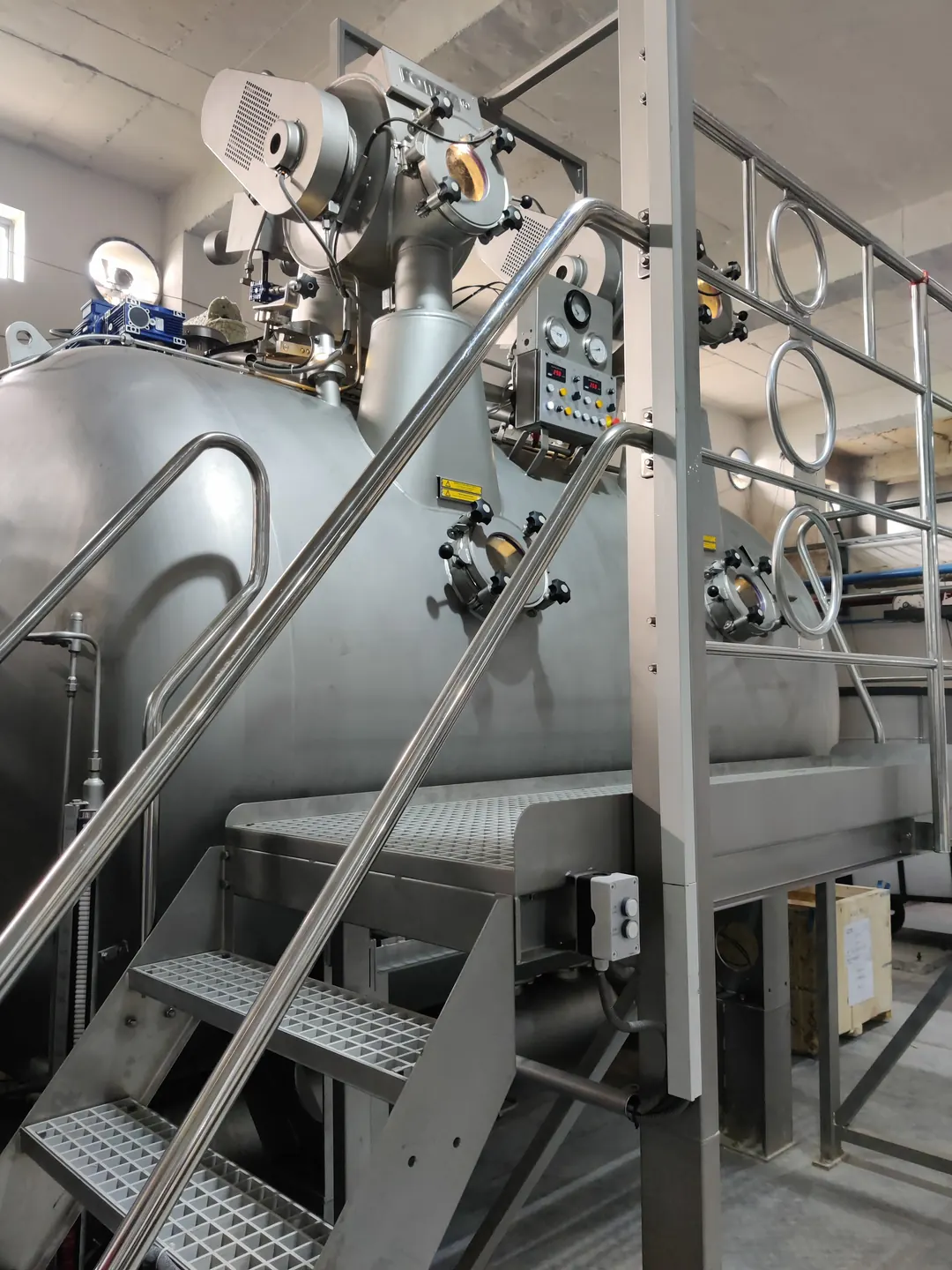
This guide combines cited technical sources with first-hand Keqiao market facts supplied by a textile professional working on site. The March and September percentages describe the broader market movement rather than one standardized fabric quotation. The equipment photograph was taken in India and does not document Keqiao prices. A named practitioner byline can be added when the contributor chooses to be identified. Use the percentages as reported Keqiao market movements, while checking the specification and date of any individual offer you receive.
The March and September 2026 Keqiao dyeing and greige price movements are first-hand market facts supplied by a textile professional working on site. The IEA reports provide independently cited oil prices and conflict chronology; EPA and EEA sources explain the petroleum links in polyester and some synthetic dyes. AI assisted the English drafting. The CNY 1,000 batch example is hypothetical.
The reported increases describe the Keqiao market across the March and September 2026 oil shocks: average dyeing fees rose by more than 15%, and greige-fabric prices rose by more than 30%. They are market-level figures, not a quote for one specified construction. Other guide sections compare the same greige under different dyeing requirements.
Sources
- International Energy Agency, The Future of Petrochemicals (2018)
- US EPA, Best Management Practices for Pollution Prevention in the Textile Industry
- European Commission JRC, Textiles Industry BAT reference document
- AATCC, Standard Test Methods and Procedures
- AATCC, TM183: Transmittance or Blocking of UV Radiation through Fabric
- AATCC, The Art of Testing: Water Repellency (TM22)
- ISO 105-C06:2010, Colour Fastness to Domestic and Commercial Laundering
- International Energy Agency, Oil Market Report - March 2026
- International Energy Agency, Oil Market Report - September 2026
- European Environment Agency, Plastic in Textiles: Polyester Feedstocks
- US EPA, Profile of the Textile Industry: Sector Notebook
- Zhejiang provincial government, Shaoxing's Keqiao weaves new future